Designing for Kerala’s monsoon, from the doorstep in.
In Kerala, the rains are part of the year, not a surprise. A home that is planned for them feels calmer on the long wet weeks: umbrellas have somewhere to drip, cupboards stay fresh and the balcony still feels like a place to sit. None of this needs a particular style. It needs a few good questions, asked early.
Give the rain a landing spot
Think about what comes through the front door on a wet evening: umbrellas, raincoats, school bags, damp footwear. Without a plan, they end up on the nearest chair. A small drop zone near the entrance keeps the rest of the home dry: somewhere to hang, stand and drip.
Choose a floor and a mat there that are easy to wipe and quick to dry. Plan for the wet afternoon, not just the sunny photograph. A few hooks and a tray can do more for daily calm than an elaborate console.
Ask how each surface handles damp
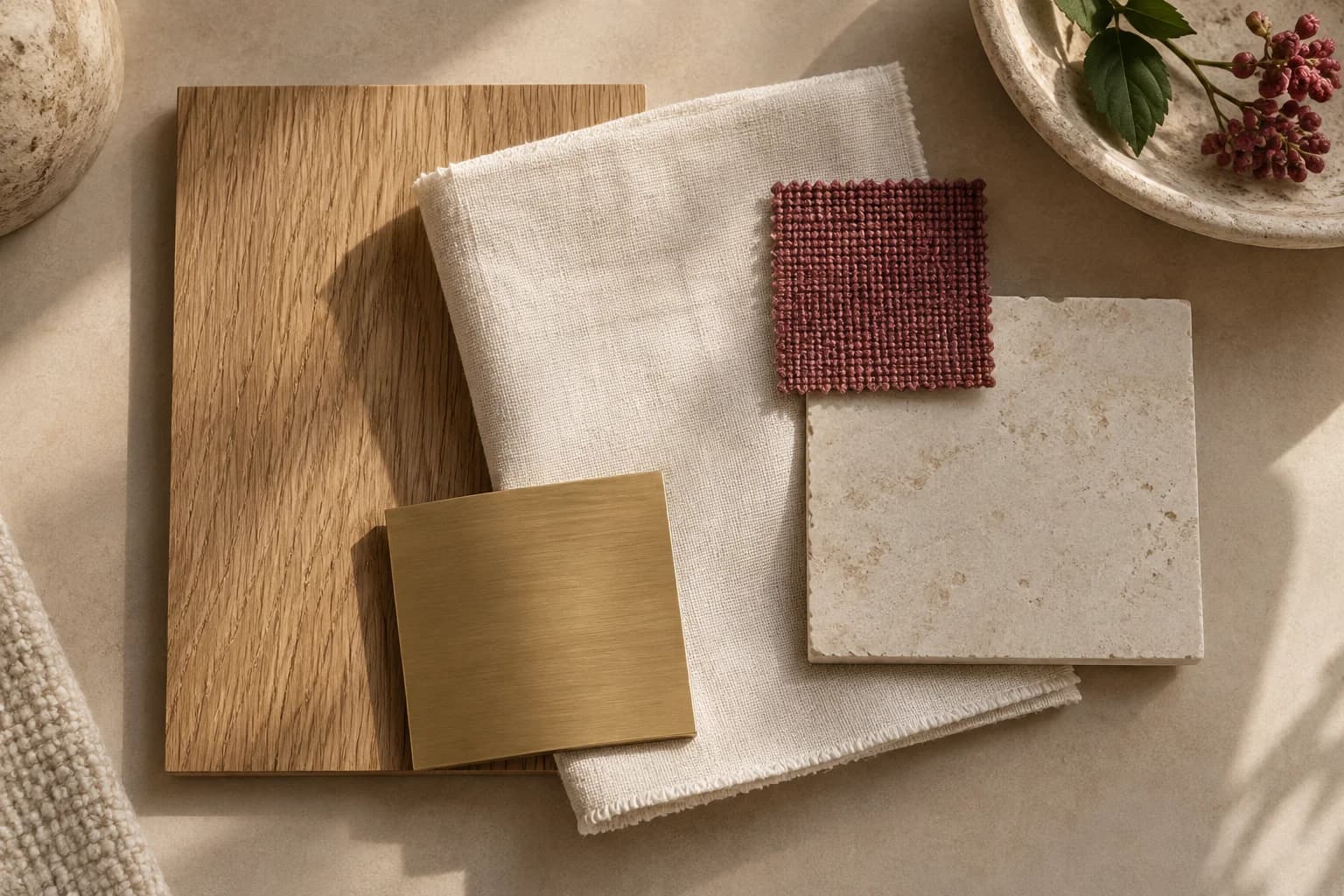
Humid air and wet feet affect materials differently. When you compare boards, laminates, fabrics or floor finishes, ask the supplier how each one responds to moisture and humidity, and where they would or would not recommend it.
Pay special attention to the places near water: around sinks, bathroom doors, balconies and the entrance. Edges, joints and the undersides of cabinets matter as much as the visible face. Ask about care, too; a surface that is easy to wipe down is easier to live with in the wet months.
Plan for the wet afternoon, not just the sunny photograph.
Let storage breathe
Closed cupboards that never get fresh air can feel stale during a long wet spell. Discuss ventilation for wardrobes, shoe cabinets and store rooms as part of the design, rather than as an afterthought.
Keep a little space between stored things instead of packing every shelf tight. Fabrics, leather and paper appreciate air around them. A cabinet that is slightly less full is often a cabinet that stays fresher.
Plan for grey days and drying days
Monsoon afternoons can be dim. Layered lighting keeps rooms feeling warm when the sky is not: a soft general light, plus lamps where you read, cook or work. Think about where you actually sit on those days.
Clothes still need to dry. If there is no obvious place, plan one: a spot with good air movement that is not the dining chairs. Washable covers and rugs you can easily lift and store make the season simpler too.
Look after the outside edges
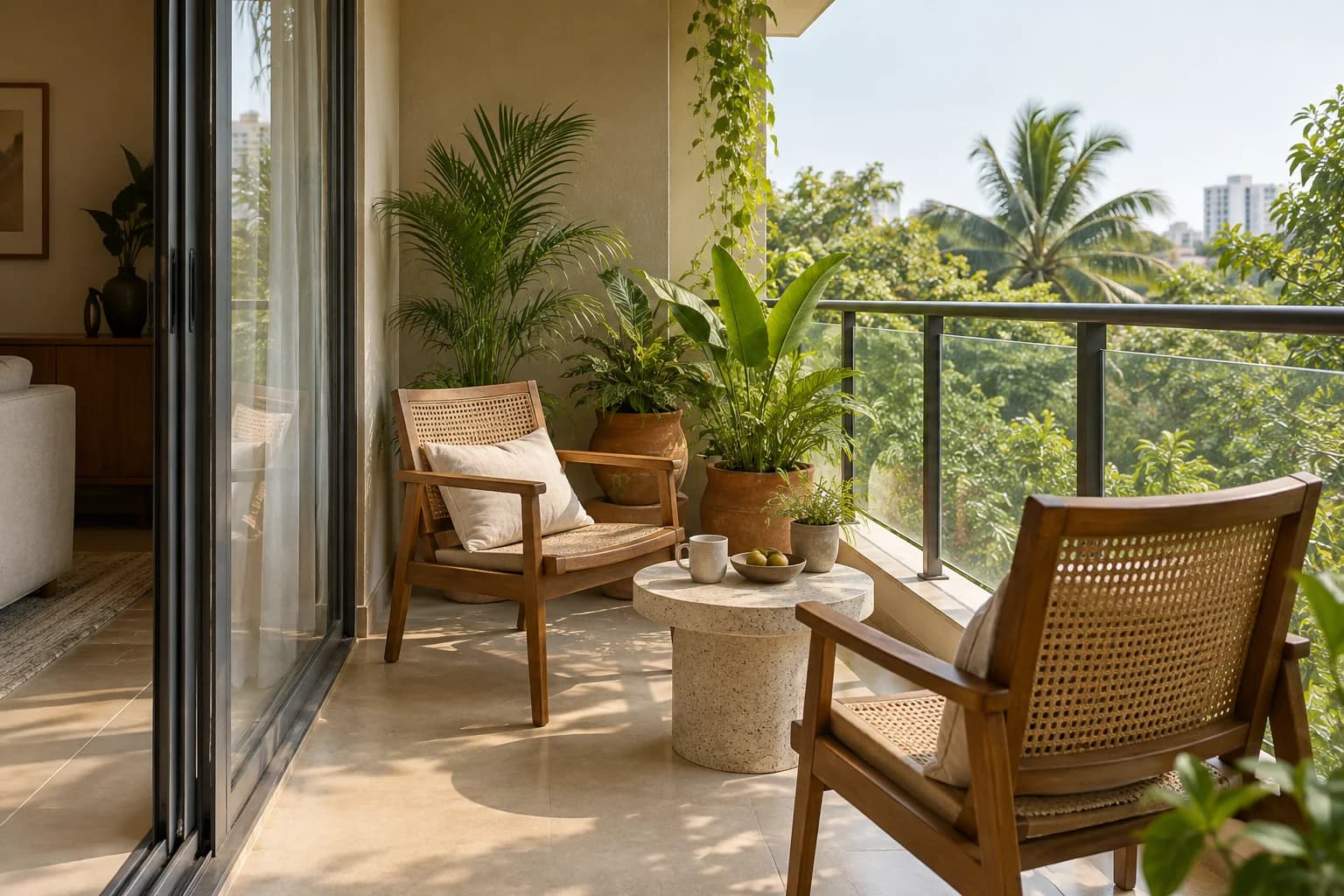
Balconies and sit-outs take the most weather. Have drainage, slopes and outlets checked by an appropriate professional, especially before adding new flooring or built-in seating.
Choose outdoor furniture that can cope with splashes, or that is light enough to move inside. Planters with trays protect the floor. A covered corner with a comfortable chair can turn a rainy evening into the best seat in the house.
Every home is different. These notes are a starting point for your own brief, with the details shaped around your space and the people who use it.
Thinking of someone who’d like this?
Send it to the people you’re planning with, or keep it on your reading list.