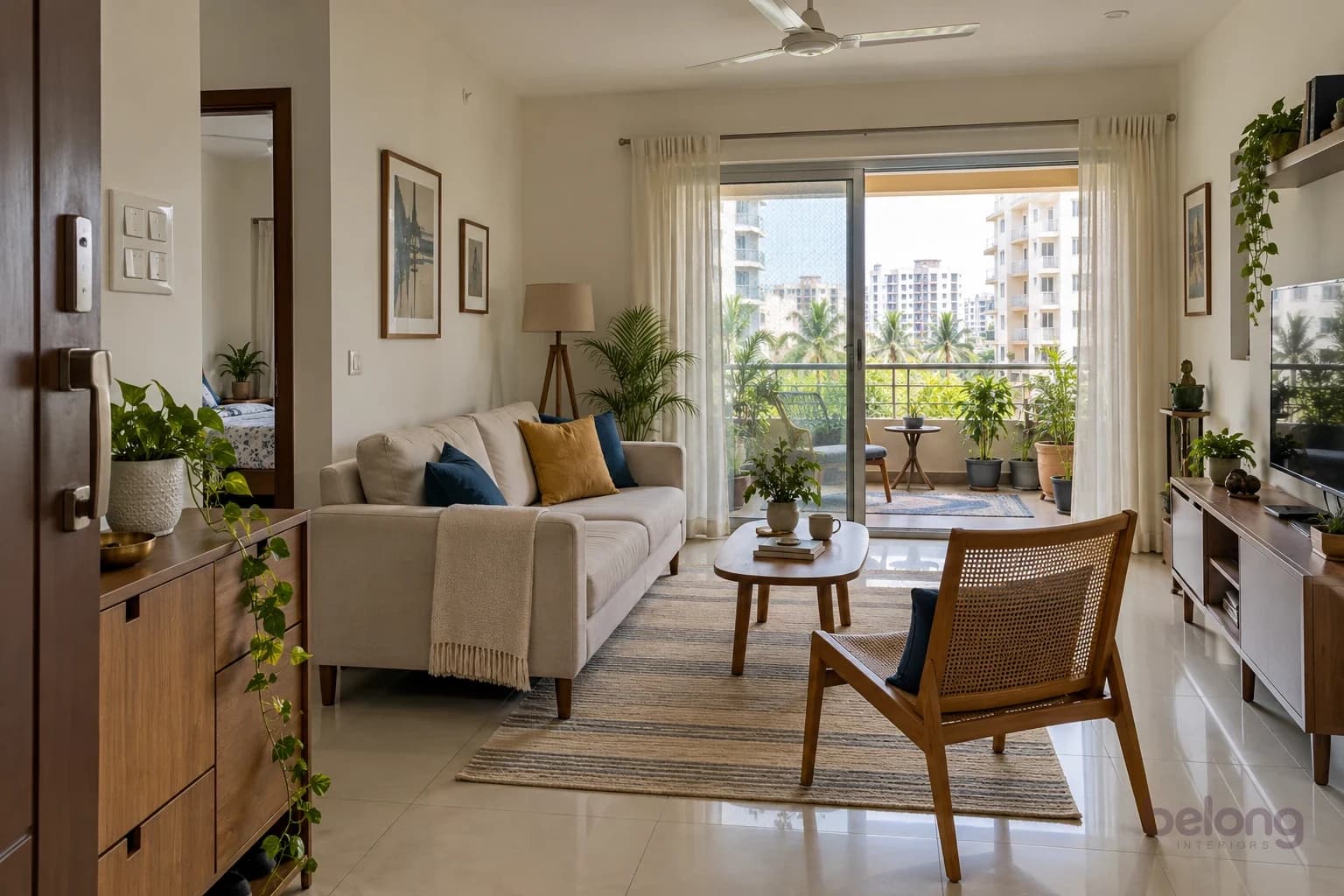
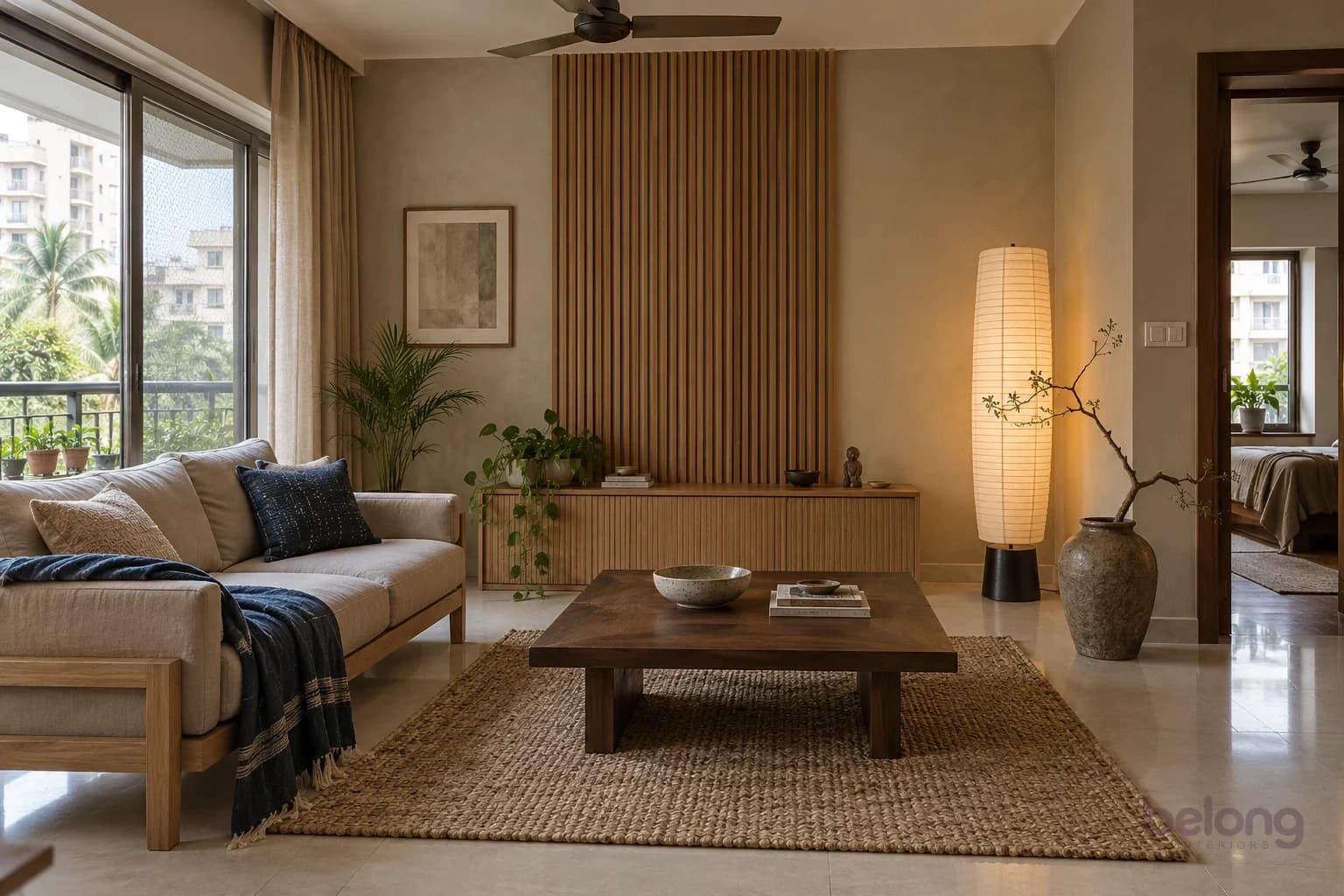
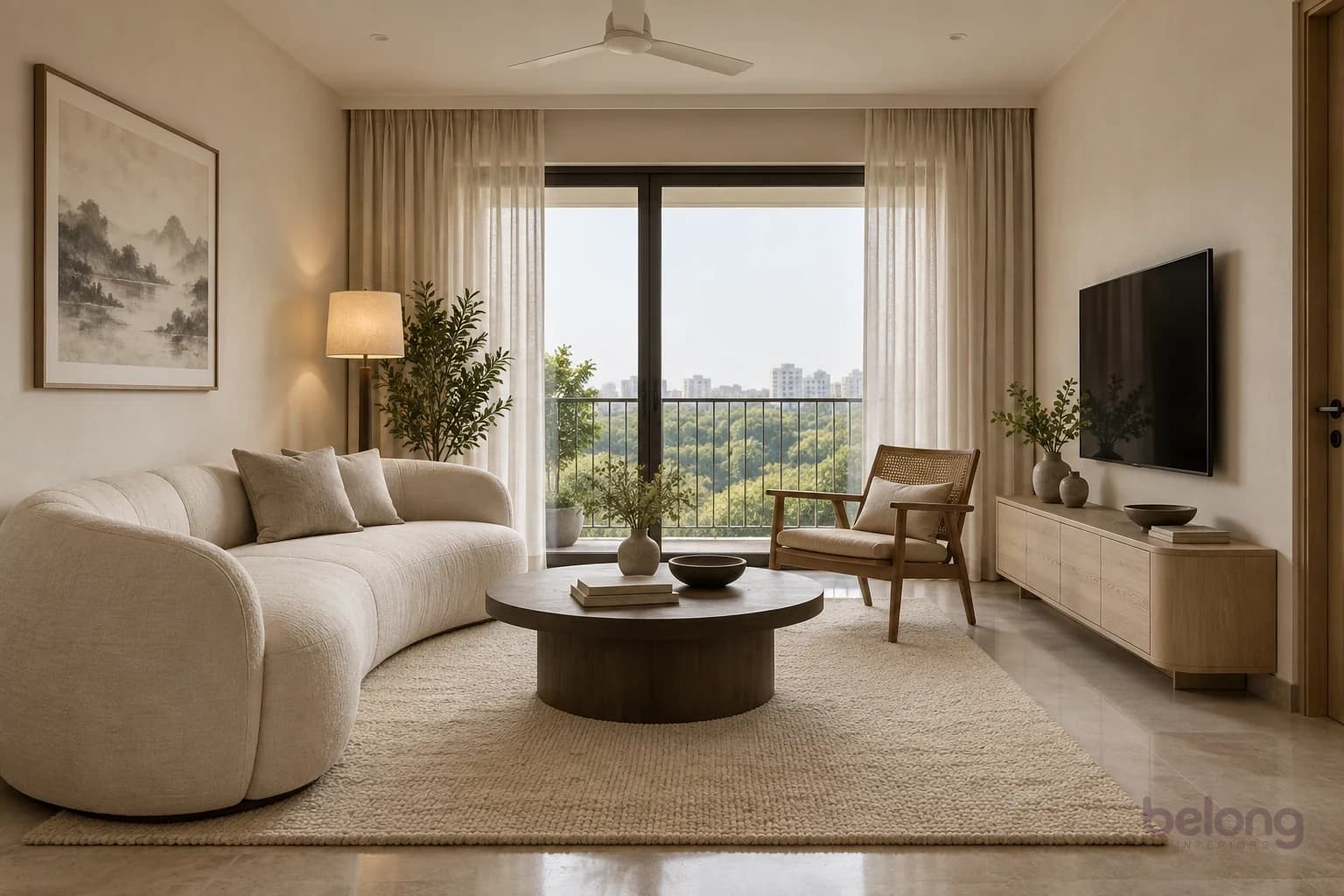
Japandi or Scandinavian? Notice the details.
These two familiar design directions often share light rooms, practical furniture and natural materials. The differences are best explored through mood and detail rather than a rigid set of rules. Either can become a personal, comfortable home.
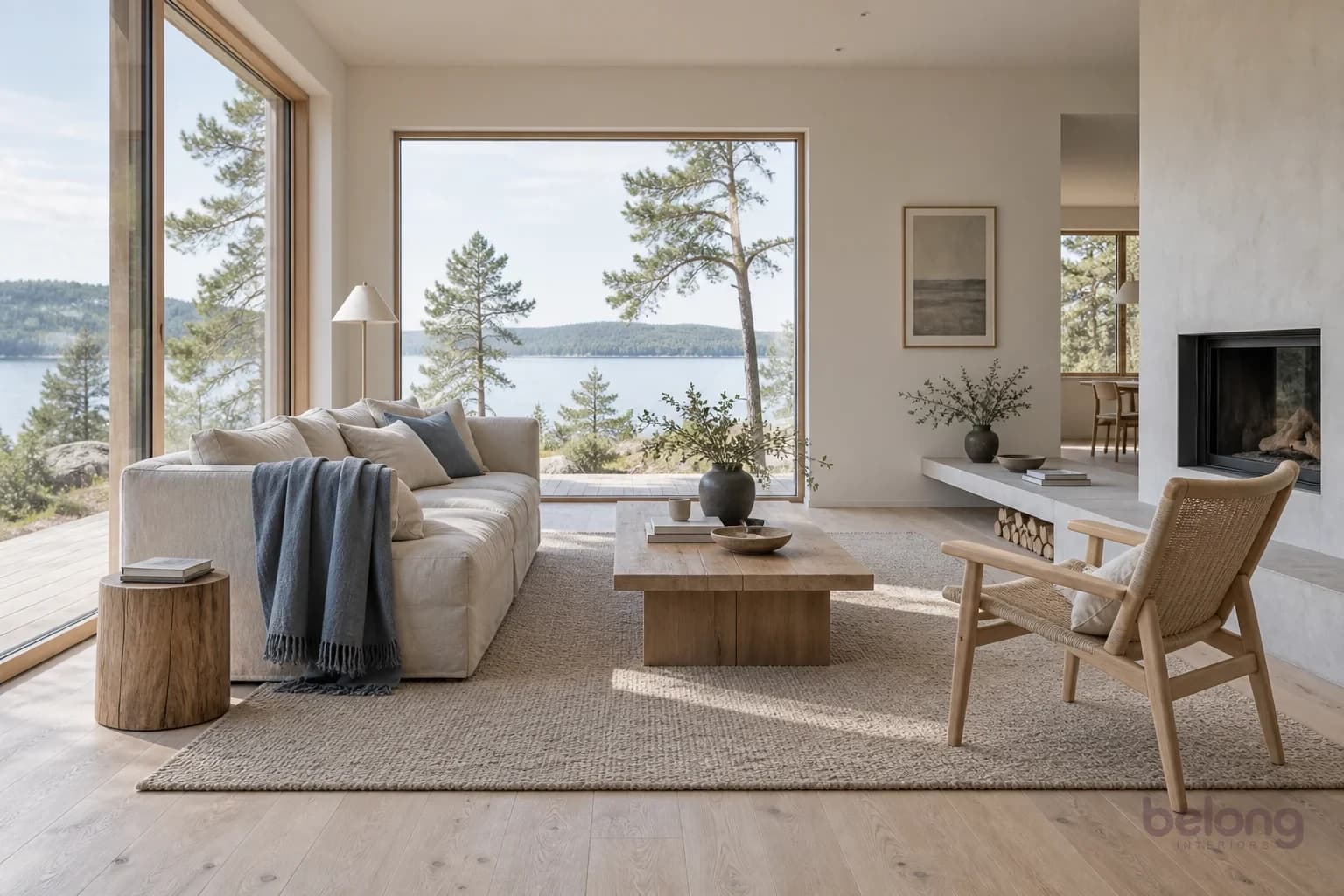
Look at the kind of lightness
A Scandinavian-inspired room often feels bright and relaxed: pale timber, simple furniture, soft textiles and an occasional gentle colour. Lightness comes from the combination of daylight, open floor space and objects that feel easy to use.
In a Japandi-inspired direction, the room may feel quieter and more grounded. Lower furniture, earthy colours and a deliberate mix of pale and dark wood can bring a little more visual weight without making the room feel busy.
Compare the silhouettes
Try looking at reference images without focusing on colour. Are the chairs slim and upright, or low and substantial? Is the table light on its feet, or a solid shape close to the ground? These proportions often set the mood before accessories do.
Neither direction requires every piece to match. One sculptural chair can sit comfortably alongside simple furniture when there is enough room around it. Leave space for the shapes to be seen.
A style name should help you communicate your preferences, not limit the home you are making.
Use texture with intention
Linen, woven seats, wool, wood and ceramics can work in either approach. Instead of adding many different textures, choose a few with a clear relationship. Smooth cabinetry beside a textured wall can be enough to create interest.
Ask how each finish will live in your home. A reference image cannot tell you how a fabric feels in your climate or how a surface responds to daily cleaning. Samples and care information belong in the same conversation as colour.
Borrow rather than copy
You might prefer the brightness of one direction and the grounded proportions of the other. That is a useful discovery. A style name should help you communicate your preferences, not limit the home you are making.
Try saving three images from each collection. Compare the furniture heights, wood tones and amount of contrast. The details you consistently choose are a better guide than declaring a winner between two labels.
Every home is different. These notes are a starting point for your own brief, with the details shaped around your space and the people who use it.
Thinking of someone who’d like this?
Send it to the people you’re planning with, or keep it on your reading list.