How to prepare for your first interior design conversation.
You do not need a finished plan to talk to a designer. You need a few honest notes about your home, your people and how you want it to feel. A little preparation makes the first conversation warmer, quicker and far more useful.
Bring the home, as it is
If you have a floor plan, bring it. If not, photographs of each room and a few rough measurements are a good start. Note the windows, doors and anything you already know cannot move.
List what is staying: furniture, appliances, heirlooms, the swing your children love. The existing home is part of the brief, not a blank page.
Bring the people
Who lives here, and who visits often? Think about elders, children, pets, guests who stay over and anyone who works from home. Describe an ordinary weekday and a busy weekend.
These routines shape the design more than any mood board. Where does the family eat? Where do the school bags go? Who cooks, and when?
The best first conversation is less about answers and more about good questions.
Bring the feeling
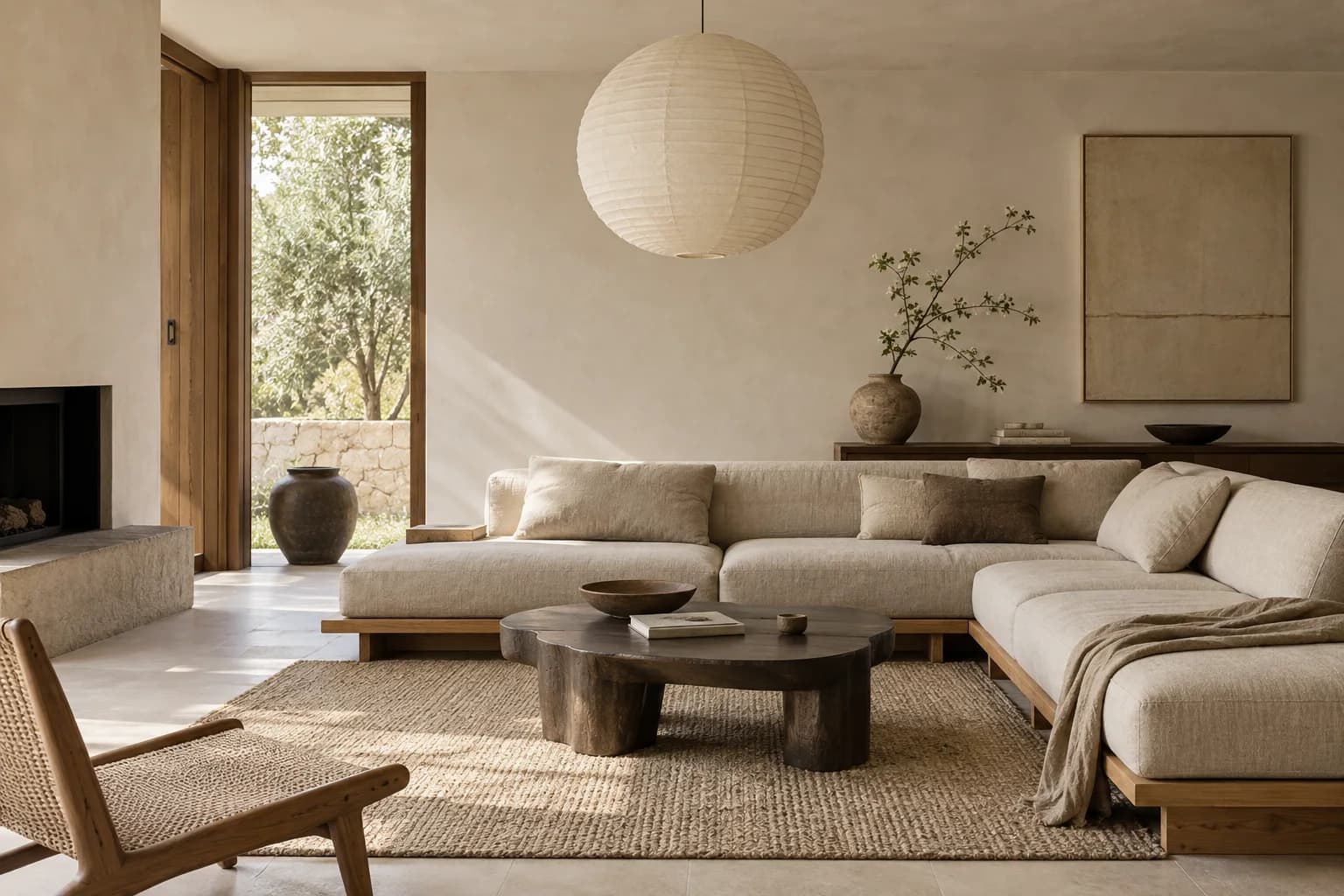
Choose three words for how you want the home to feel. Save a handful of images and add a sentence to each about what you like. A few images you dislike are just as helpful.
It is fine if your references do not agree with each other. A good designer will help you find the thread that runs through them.
Bring your priorities, and your questions
Sort your wishes into three lists: must have, would like and can wait. Be open about the budget range you have in mind, so the ideas you explore stay realistic.
Write down your questions too. How does the process work? What is included? Who will you speak to along the way? How are decisions and changes recorded? The best first conversation is less about answers and more about good questions.
Leave with a next step
Before you finish, agree on what happens next: information you will share, a site visit to arrange or a brief to refine. A clear next step keeps the momentum going without rushing anything.
Every home is different. These notes are a starting point for your own brief, with the details shaped around your space and the people who use it.
Thinking of someone who’d like this?
Send it to the people you’re planning with, or keep it on your reading list.